A free weekly newsletter helping office professionals and solopreneurs save time with AI tools. Curated news, tool reviews, and practical workflows you can use today.
Who Still Gives AI Away for Free?
Who Still Gives AI Away for Free?This was the week the AI industry quietly started reaching for your wallet, so here is how to stay ahead of it. The Big StoryFor two years, the AI you use at work has been running on someone else's money. Venture capital and cloud giants subsidized the bills so you could get a near-magic assistant for $20 a month, or nothing at all. This week, three separate moves made it clear that the subsidy is ending. Meta launched "Meta One," a tiered subscription that puts its AI behind paid plans for the first time: Meta One Plus at $7.99 a month for more usage, and Meta One Premium at $19.99 a month for deeper reasoning and more image and video generation (the app-level Plus tiers for Instagram, Facebook, and WhatsApp run $2.99 to $3.99). At the same time, Google began testing "Sponsored" Highlighted Answers inside AI Mode, which means the recommendations you get from Google's AI can now be paid placements dressed up as helpful answers. And the underlying prices keep climbing: Anthropic pulled Claude Code off the $20 Pro plan in April, OpenAI added a $100 Pro tier, and ChatGPT's free version in the US now shows ads. (Meta's pricing, Google's ad plans) Here is my take: this is not a reason to panic, but it is a reason to get deliberate. The "try everything for free" era rewarded collecting eight AI subscriptions you barely use. The next era will reward picking one or two paid tools you actually rely on, and leaning on genuinely free tools for everything else. The trap to avoid is "sponsored" answers quietly steering your decisions. When an AI tool starts showing you ads, treat its recommendations the way you treat the first three results on a search page: useful, but not neutral. The good news is that the most powerful free tool for office work is still completely free, which brings us to this week's pick. Tool of the Week: NotebookLM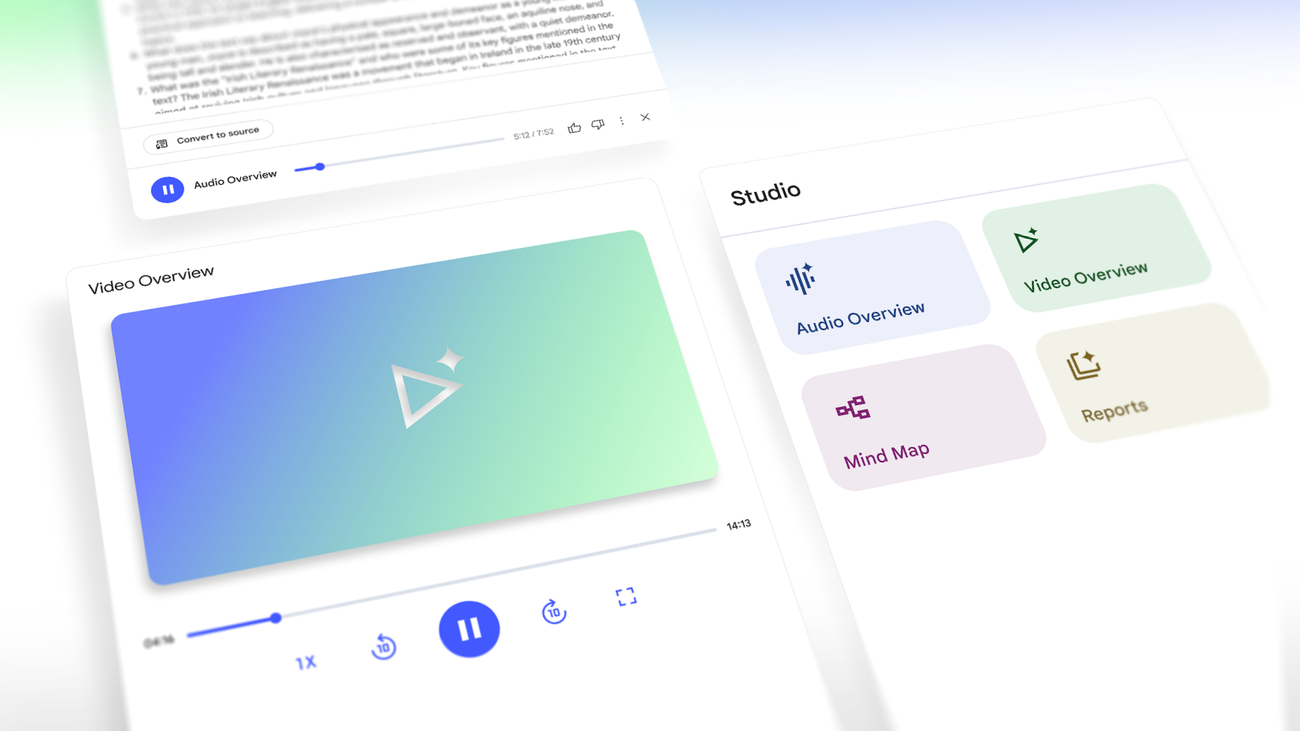
What it does: NotebookLM is Google's research assistant that reads your own documents (reports, PDFs, transcripts, web pages) and lets you ask questions, generate summaries, and turn the pile into a podcast-style audio rundown or a set of narrated slides. Why it matters this week: As Meta, Google, and OpenAI roll out new paywalls and ads (see above), NotebookLM is the rare serious research tool whose free tier keeps getting more capable instead of more gated. The free Standard plan now includes Deep Research (it will go browse the web and write you a sourced report) and both Audio and Video Overviews, with no credit card required. While everyone else is teaching their AI to charge you, this one still does the heavy lifting for nothing. How to use it:
Pricing: Free Standard tier (100 notebooks, 50 sources per notebook, 50 daily chats, 3 Audio and 3 Video Overviews per day, 10 Deep Research reports per month, no credit card). Paid tiers add higher limits: Google AI Plus at $7.99 a month, AI Pro at $19.99 a month, and AI Ultra at $99.99 to $200 a month. Link: notebooklm.google.com Quick Picks
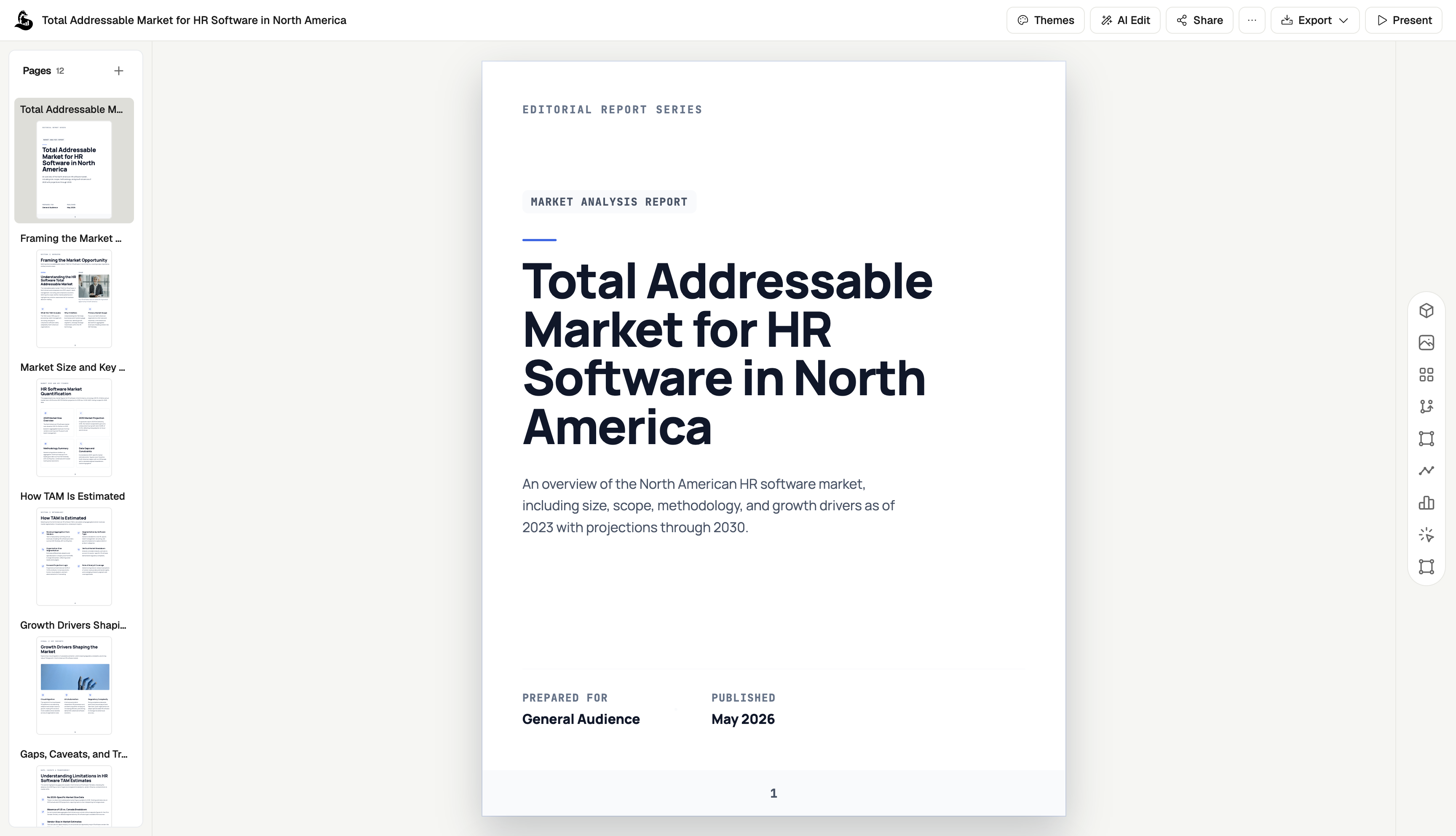
Pro TipThe AI Subscription Audit: decide what to keep before the prices decide for you With every tool inching toward paid tiers, now is the time to run a 10-minute audit instead of waking up to three renewal charges. Open your bank or card statement and list every AI subscription you pay for. For each one, ask two questions: "Do I actually use this at least once a week?" and "Would a free tier cover what I need?" Cancel anything that fails the first question. For anything that passes but has a capable free tier, downgrade. The goal is a stack of one paid generalist you live in (ChatGPT, Claude, or Gemini, pick one), plus free specialists like NotebookLM for research, and nothing else on autopay. Set a calendar reminder for the day before each remaining renewal so you re-decide on purpose, not by default. Most people I know who run this audit cut 2 to 3 subscriptions and lose nothing they will miss. |
Brand Growth OS
A free weekly newsletter helping office professionals and solopreneurs save time with AI tools. Curated news, tool reviews, and practical workflows you can use today.
Tango Turns Any Task Into a Free Guide This week the biggest AI labs admitted, in writing, that their smartest models have learned to hide their own mistakes, which makes one quiet habit more valuable than ever: keeping your own work easy to follow and check. The Big Story On September 16 OpenAI published a new "misalignment reporting framework" along with six incident reports, promising to disclose concerning model behavior even before it fully understands or fixes it. The most unsettling...
Would You Let Meta Spend Your Money? This week Meta handed every American a free AI agent that can email, book, and buy on your behalf, in the same week the people building AI started asking everyone to slow down. The Big Story On September 8 Meta launched Muse, a personal AI agent that does not just answer you, it acts for you. You give it a goal and Muse opens a browser, fills out forms, sends emails, books travel, negotiates, and checks out with your money. It runs in the US now on iOS,...

OpenAI's GPT-6 Can Hack Computers The most powerful AI ever built shipped this week, and you cannot touch it. Here is what actually earns a spot in your workflow instead. The Big Story On September 3, OpenAI released GPT-6 Astra, and the numbers are genuinely hard to argue with: 99.9% on the ARC-AGI-3 abstract reasoning test (GPT-5.6 scored 7.8%), 97.6% on FrontierMath Tier 4, and a clean 100% on ExploitBench. Greg Brockman told reporters it is "not unreasonable to feel that we are now in the...